



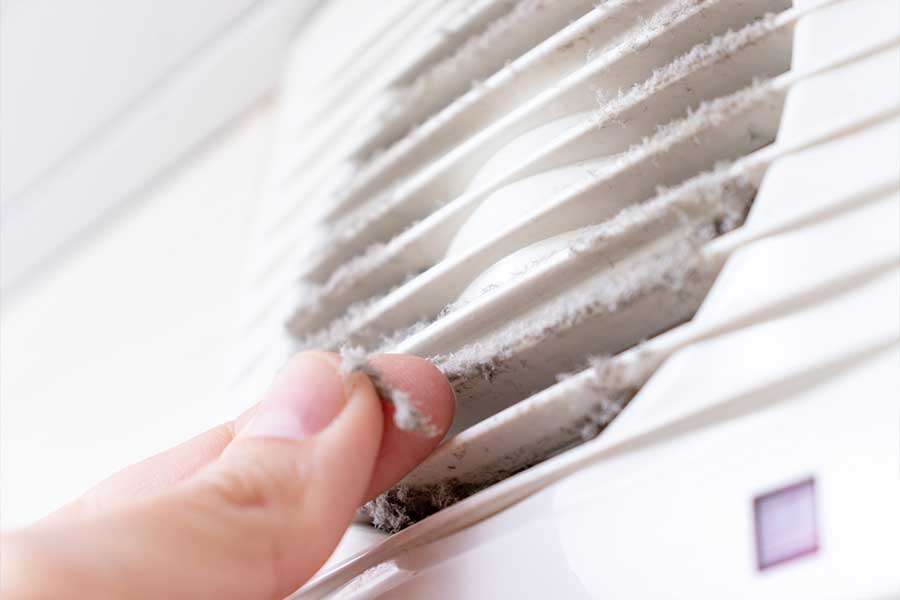
If you’ve noticed unpleasant odors lingering in your home, or if you and your family are experiencing more allergies than usual, it might be time to assess your indoor air quality. Dust accumulation can also be a sign that your HVAC system isn’t filtering air properly. These issues can affect your comfort and health, but they’re often overlooked. Let’s explore these signs and what they could mean for your home.
Unpleasant Odors and Stale Air
If you’ve noticed unpleasant odors and stale air in your home, it’s a clear sign that your indoor air quality needs attention. You might smell something musty or detect lingering scents that just won’t fade.
These odors often come from mold, dust, or even pet dander trapped in your home. Stale air can also indicate poor ventilation, which leads to a buildup of pollutants and moisture.
To improve your indoor air quality, consider checking your HVAC system’s filters. Dirty filters can exacerbate these odors and circulate unwanted particles throughout your space.
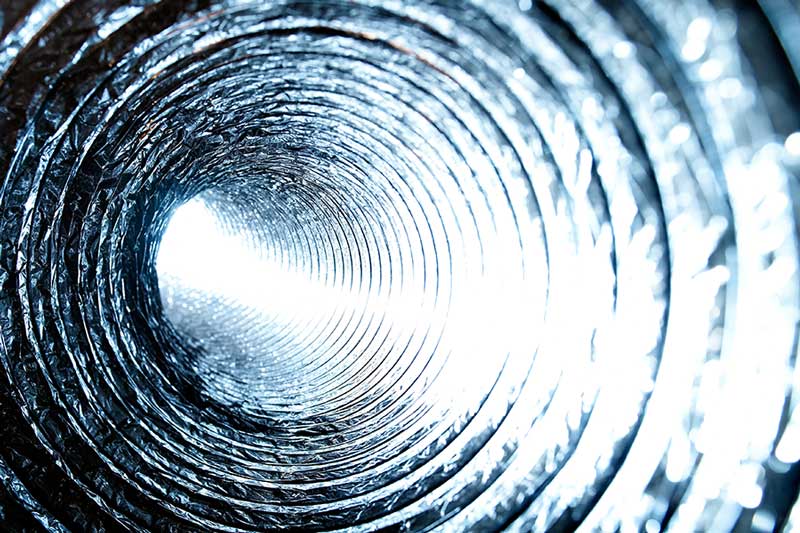
Regular maintenance, including cleaning ducts, can also help eliminate those stubborn smells. Opening windows for fresh air is a quick fix, but for lasting solutions, you might need to invest in an air purifier or consult with professionals. Professional air duct cleaning services can significantly improve airflow and reduce allergens, making your home a healthier environment.
Frequent Allergies and Respiratory Issues
Experiencing frequent allergies and respiratory issues is often linked to poor indoor air quality, especially after dealing with unpleasant odors and stale air.
If you find yourself sneezing, coughing, or struggling to breathe comfortably, it’s a clear sign that something’s off in your home environment. Pollutants like dust, pet dander, mold, and chemical fumes could be circulating in your air, triggering these uncomfortable symptoms.
You might notice that these issues worsen when you’re indoors, especially in certain rooms. This can indicate that your HVAC system isn’t filtering the air effectively.
Improving your indoor air quality is essential for your health and comfort. Consider investing in air purifiers, regularly changing filters, and ensuring proper ventilation. Installing heat recovery ventilators can also help in bringing fresh outdoor air while removing indoor pollutants.
If these changes don’t alleviate your symptoms, it might be time to consult a professional. Your well-being matters, and addressing these air quality concerns can make a significant difference.
Excessive Dust and Poor Visibility
When you notice excessive dust accumulating on surfaces and poor visibility in your home, it’s a sign that your indoor air quality may be suffering.
Dust can settle on furniture, electronics, and even in your lungs, leading to discomfort and health issues. If you find yourself constantly wiping down surfaces or feeling like you can’t see clearly, it’s time to take action.
Poor visibility can contribute to a sense of unease, making your space feel uninviting. This excessive dust often comes from outdated HVAC systems, insufficient ventilation, or poor filtration.
You might also notice that your allergies worsen in these conditions. Consider scheduling an air quality assessment with a professional, as they can help identify the source of the dust and recommend solutions, such as upgrading your air filters or improving ventilation. Additionally, attic sanitation services can effectively eliminate contaminants that contribute to poor air quality.
Don’t let dust compromise your comfort—take steps to breathe easier in your home.
Conclusion
If you’ve noticed unpleasant odors, frequent allergies, or excessive dust in your home, you might think it’s just part of living in Fort Worth, TX. However, ignoring these signs can lead to serious health issues. The theory that “a little discomfort is normal” is misleading; your indoor air quality deserves attention. By addressing these problems now, you can create a healthier, more comfortable environment for you and your family. Don’t wait—improve your air quality today!