



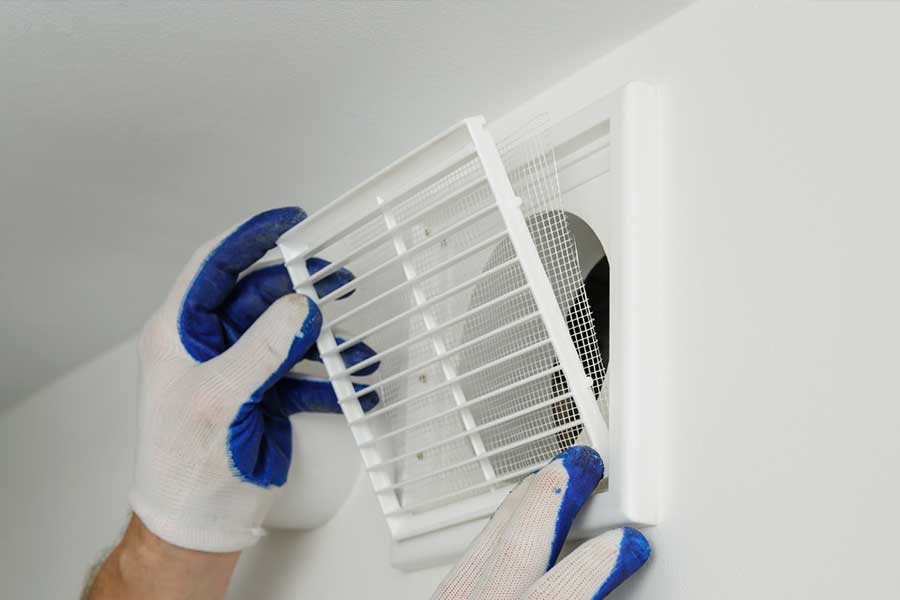
Indoor air pollution is a pressing issue in Northlake, TX, impacting your health and comfort at home. By understanding common sources of pollutants, you can take steps to enhance your indoor air quality. Simple actions like improving ventilation and using air purifiers can make a significant difference. But what other strategies can you employ to create a healthier living environment? Let’s explore the best approaches for reducing indoor air pollution effectively.
Understand Common Sources of Indoor Air Pollution
When you think about indoor air pollution, it’s important to recognize that it often stems from everyday activities and materials in your home. Common sources include cleaning products, paints, and pesticides, which release volatile organic compounds (VOCs) into the air.
Even some furniture and building materials can emit harmful particles. You mightn’t realize that mold can also be a sneaky culprit, thriving in damp areas like bathrooms and kitchens.
Additionally, pet dander and dust mites can exacerbate allergies and respiratory issues. Smoking indoors is another significant source of pollution, introducing harmful chemicals that linger long after the smoke clears.
Lastly, don’t overlook your HVAC system; dirty filters can circulate dust and allergens throughout your home. By identifying these sources, you can take steps to minimize their impact and improve your indoor air quality effectively. Regular air duct cleaning can significantly enhance your home’s air quality by removing allergens and restoring airflow.
Improve Ventilation in Your Home
Improving ventilation in your home is an essential step in combating indoor air pollution. By allowing fresh air to circulate, you can greatly reduce harmful pollutants.
Start by opening windows and doors when the weather permits; this simple act can refresh your indoor air. If you have exhaust fans in kitchens or bathrooms, use them to remove moisture and odors.
Consider installing a whole-house ventilation system or using window fans to enhance airflow. These systems help filter out toxins while bringing in clean air from outside.
Regularly check and maintain your HVAC system to confirm it’s working efficiently and not circulating dust or allergens. Additionally, air duct sealing can enhance your HVAC system’s effectiveness by preventing leaks that may contribute to poor indoor air quality.
Sealing cracks around windows and doors prevents unwanted drafts while still allowing for controlled ventilation.
Use Air Purifiers and Filters Effectively
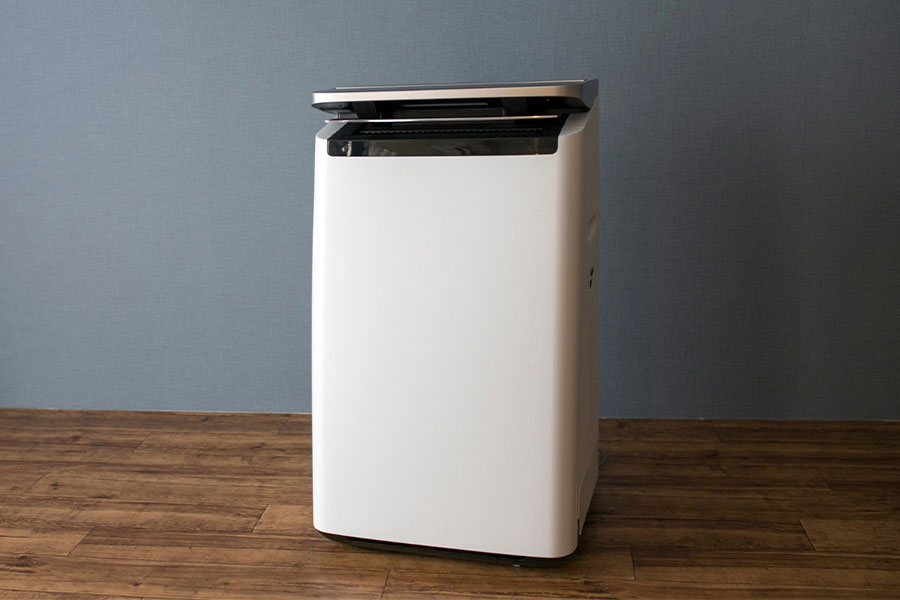
Air purifiers and filters serve as powerful allies in the fight against indoor air pollution. To maximize their effectiveness, choose a purifier with a HEPA filter, which captures up to 99.97% of airborne particles.
Make certain to select a unit that suits your room size; a small purifier in a large area won’t provide the same benefits.
Place your air purifier in high-traffic areas or rooms where you spend the most time to guarantee cleaner air where it matters most. Remember to keep windows and doors closed while the purifier is running to prevent outdoor pollutants from sneaking in.
Regularly check and replace filters as needed; a clogged filter can hinder performance.
Finally, consider using multiple purifiers throughout your home for thorough coverage. Additionally, installing heat recovery ventilators can further enhance air circulation and improve indoor air quality. By implementing these strategies, you’ll greatly improve your indoor air quality and create a healthier living environment for you and your family.
Maintain Your HVAC System Regularly
Regular maintenance of your HVAC system can greatly enhance your indoor air quality and overall comfort. By scheduling routine inspections, you can catch potential issues before they turn into costly repairs.
Clean filters and coils allow your system to run efficiently, reducing dust and allergens circulating in your home.
Don’t forget to check your ductwork for leaks, as this can greatly impact your air quality. Proper sealing guarantees that the air you breathe is fresh and clean.
Additionally, consider having your system serviced by professionals at least twice a year. They’ll guarantee everything’s running smoothly and help you make informed decisions about upgrades or repairs. Regular AC maintenance can lower energy bills and improve system efficiency, making it a valuable investment.
With regular maintenance, you not only boost your HVAC performance but also extend its lifespan.
Incorporate Houseplants for Natural Air Quality Improvement
While maintaining your HVAC system is essential for indoor air quality, another simple yet effective way to enhance the freshness of your home environment is by incorporating houseplants.
These green companions not only beautify your space but also filter harmful pollutants, improving the air you breathe.
Plants like snake plants, peace lilies, and spider plants are particularly good at removing toxins such as formaldehyde and benzene.
By placing a few of these in your living spaces, you’ll naturally boost oxygen levels and create a healthier atmosphere.
Remember to care for your plants by providing adequate light and water; healthy plants are more effective at purifying the air.
Plus, taking care of them can be a rewarding hobby that reduces stress.
Conclusion
By embracing these strategies, you can transform your home into a refreshing atmosphere, free from the clutches of indoor pollution. Picture your living space as a sanctuary, where every inhale rejuvenates your spirit. Open those windows wide and let nature’s breeze sweep through, while air purifiers stand guard against unseen invaders. With a little effort, your home can flourish like a garden, providing a healthier, happier environment for you and your loved ones.