



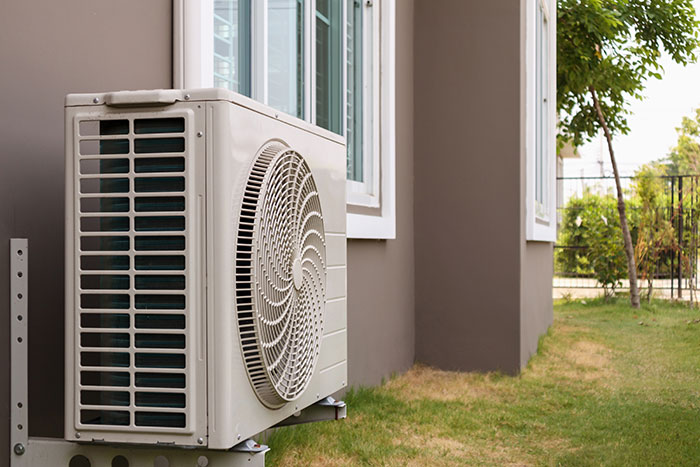
When your HVAC system fails, it can feel overwhelming, but staying calm is essential. First, you’ll want to check the thermostat settings and verify the power supply is stable. Look for tripped breakers or blown fuses that could be causing the issue. If those checks don’t resolve the problem, you must contemplate your next steps carefully. Knowing when to call a professional can make all the difference, especially if you encounter unusual noises or smells. So, what should you do next to verify your home stays comfortable?
Common HVAC Issues
Several issues can disrupt HVAC systems’ efficiency and performance. One common problem is inadequate airflow, often caused by dirty filters or blocked ducts. If you notice reduced airflow, check the filters and clean or replace them as needed. Another frequent issue is thermostat malfunction. A faulty thermostat can lead to incorrect temperature readings, causing your system to overheat or underperform.
Refrigerant leaks also pose significant challenges. Insufficient refrigerant levels can hinder your system’s ability to cool effectively, leading to higher energy bills. It’s crucial to have a qualified technician address any refrigerant concerns.
Additionally, strange noises from your HVAC system can indicate underlying problems. Rattling or grinding sounds often suggest loose components or mechanical issues that require immediate attention.
Finally, frequent cycling—where the system turns on and off repeatedly—can signal an issue with the thermostat or an oversized unit.
Initial Troubleshooting Steps
Before calling a technician, performing some initial troubleshooting steps is essential to identifying potential issues with your HVAC system. Start by checking your thermostat settings. Ensure it’s set to the desired temperature and is in the appropriate mode—cooling or heating—as needed. Next, inspect the air filters. Clogged filters can restrict airflow, causing the system to work inefficiently or not at all. If they’re dirty, replace them promptly.
Listen for unusual sounds from your HVAC unit. Strange noises can indicate mechanical issues that might require attention. Additionally, check for any visible signs of leaks around the system, including water pooling or refrigerant leaks, which can signal a serious problem.
Also, observe the airflow from your vents. Weak airflow may suggest blockages or issues within the ductwork. If your system has a reset button, try resetting it according to the manufacturer’s instructions. Finally, take note of any error codes displayed on digital thermostats or units, as these can provide critical clues about the malfunction. Following these steps, you can gather useful information and potentially resolve minor issues before seeking professional help.
Checking Power Supply
After performing the initial troubleshooting steps, it’s essential to check the power supply of your HVAC system. Start by verifying the system’s disconnect switch is in the “on” position. This switch is typically located near the unit itself. If it’s off, turn it on and listen for any sounds indicating the system is operational.
Next, examine the circuit breaker panel. Look for any tripped breakers and reset them if necessary. If the breaker trips again immediately, this could indicate a more serious issue, and you should consult a professional.
Inspect the power cord and plug for any visible damage. A frayed cord could disrupt power flow and need immediate replacement. If your system uses a fuse, check that it hasn’t blown. Replace it if necessary, remembering to use the correct amperage.
Lastly, check your home’s main power supply. If other appliances also malfunction, you may have a broader electrical issue. If needed, contact your provider to verify that your utility service is active. Once you confirm that the power supply is stable, you can confidently move on to the next troubleshooting steps.
Thermostat Settings Review
Reviewing the thermostat settings is essential to guarantee your HVAC system operates efficiently. Incorrect settings can lead to discomfort and increased energy costs. Here are three key aspects to check:
- Set Points: Confirm your heating and cooling points align with your comfort needs. For peak efficiency, aim for 68°F in winter and 75°F in summer.
- Fan Settings: Verify whether the fan is “Auto” or “On.” The “Auto” setting conserves energy by running only when the system cycles on, while “On” keeps the fan running continuously.
- Schedule: If your thermostat has a programmable feature, check the schedule. Adjust it to accommodate your routine, confirming the system isn’t heating or cooling unnecessarily when you’re away.
Identifying Unusual Sounds
When you hear unusual sounds from your HVAC system, it is important to address them promptly, as they can indicate underlying issues. Different noises signal various problems; recognizing them can save you time and repair costs.
For instance, if you hear a high-pitched squeal, it may point to a worn-out belt or a failing motor. A rattling noise could suggest loose components or debris caught in the system. A humming sound might indicate an electrical issue, such as a failing capacitor or contactor.
Banging noises often arise from expanding metal parts or an issue with the compressor. Meanwhile, gurgling or bubbling sounds can indicate a refrigerant leak or a blockage in the drainage line.
Documenting these sounds and their frequency is vital, as this information can help HVAC professionals diagnose the problem effectively. Don’t hesitate to turn off the system if the noises become alarming; operating under these conditions can exacerbate damage. By staying vigilant and addressing unusual sounds, you can maintain your HVAC system’s efficiency and longevity, ensuring a comfortable environment for you and those you serve.
Inspecting Air Filters
Regularly inspecting your air filters is essential for maintaining ideal HVAC performance. Clogged or dirty filters can decrease efficiency, increase energy costs, and lead to system failures. Here are three key reasons to prioritize air filter inspections:
- Improved Air Quality: Clean filters prevent dust, allergens, and pollutants from circulating in your home, promoting a healthier environment for you and your family.
- Enhanced System Efficiency: When filters are clean, your HVAC system doesn’t have to work as hard, which can extend its lifespan and reduce your energy bills.
- Preventative Maintenance: Regular checks can help you catch issues before they escalate into costly repairs or system breakdowns.
To inspect your air filters, turn off your HVAC system for safety. Then, locate the filter, remove it, and visually check for dirt and debris. If it looks dirty or hasn’t been changed in the last month or two, replace it with a clean one. By making this simple task a habit, you can significantly improve your HVAC system’s performance and reliability, ensuring a comfortable environment for those you serve.
Emergency Shutdown Procedures
After confirming your air filters are clean and your HVAC system is operating efficiently, knowing how to shut down the system in an emergency is essential. If you encounter unusual noises, leaks, or a burning smell, it’s time to act quickly.
First, locate the thermostat and switch it to the off position. This action prevents the system from attempting to operate while you’re troubleshooting. Next, find the main power switch, typically located near the indoor unit or on the exterior of the compressor. Turn this switch off to cut power to the system entirely.
If your HVAC system runs on gas, locate the gas valve and turn it to the off position. This step is important to prevent gas leaks, leading to hazardous situations.
Finally, if your system has a circuit breaker, locate your electrical panel and turn off the breaker dedicated to the HVAC unit. This guarantees all power sources are disconnected.
When to Call a Professional
Recognizing the signs that it’s time to call a professional can save you both time and money. If your HVAC system shows any of the following indications, don’t hesitate to reach out for expert help:
- Strange Noises: If you hear banging, hissing, or screeching sounds, it could indicate mechanical issues that require immediate attention.
- Inconsistent Temperatures: If some rooms are too hot or too cold, your system might struggle to maintain balance, leading to further damage.
- Unusual Odors: Burning or musty odors could signify electrical problems or mold growth, both of which need prompt professional evaluation.
Waiting too long to address these issues can lead to more significant repairs and higher costs. Professionals possess the knowledge and tools necessary to diagnose and resolve HVAC problems accurately. They guarantee that repairs meet safety standards and industry regulations, which is essential for both your comfort and the longevity of your system. Trusting your HVAC repair to a qualified technician not only protects your investment but also enhances the overall efficiency of your system, ultimately benefiting those you serve.
Preventive Maintenance Tips
Preventive maintenance is key to keeping your HVAC system running smoothly and efficiently. Regularly changing your air filter is one of the simplest yet most effective steps. A clean filter improves airflow, reduces energy consumption, and extends the lifespan of your unit. Aim to check and replace filters every one to three months, depending on usage.
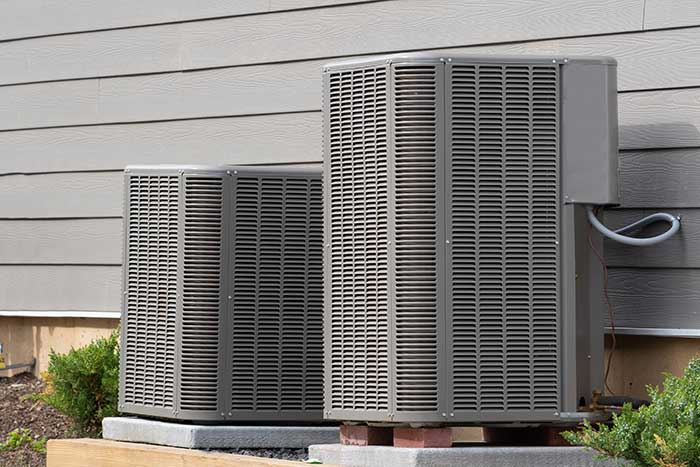
Additionally, inspect your system’s outdoor unit for debris, such as leaves or dirt, that can obstruct airflow. Clear the area around the unit to guarantee proper ventilation. Schedule a professional inspection at least once a year, preferably before the heating or cooling season begins. During this service, technicians can identify potential issues and perform necessary adjustments.
Remember to check your thermostat settings regularly. Verify that it’s functioning correctly and calibrating accurately for ideal comfort and efficiency. Consider upgrading to a programmable thermostat to manage your energy use better.
Lastly, drain your condensate line to prevent clogs, which can lead to water damage and mold growth. Following these preventive maintenance tips will help provide a comfortable environment for those you serve while minimizing the chances of an unexpected HVAC failure.
Preparing for Future Emergencies
As you prepare for potential HVAC emergencies, it’s crucial to establish a plan that guarantees quick and effective responses. Having a solid strategy minimizes downtime and secures comfort for those you serve. Here are three key steps to reflect on:
- Create an Emergency Contact List: Compile a list of reliable HVAC technicians and emergency services. Include their contact information, service hours, and any specific services they offer.
- Maintain an Inventory of Supplies: Stock essential tools and replacement parts, such as filters, fuses, and refrigerant. This allows you to address minor issues immediately without waiting for external help.
- Develop a Communication Plan: Confirm everyone knows how to report HVAC issues. This includes informing your team about contacting your service providers and relaying important information.
Conclusion
When your HVAC system fails, staying calm and following these steps can help you address the issue effectively. By checking the power supply, reviewing thermostat settings, and noting any unusual sounds, you can gather important information for your technician. Don’t hesitate to call a professional if the problem persists. Regular maintenance is key to preventing future failures. Preparing for emergencies guarantees comfort and peace of mind, keeping your home environment stable year-round.
Frequently Asked Questions
How Can I Tell if My HVAC Issue Is an Emergency?
You can tell it’s an emergency if your HVAC system fails completely, temperatures become dangerously high or low, or you notice gas leaks or unusual noises. Address these issues immediately to guarantee your safety and comfort.
What Are the Costs Associated With Emergency HVAC Repairs?
Emergency HVAC repair costs vary widely based on the issue’s severity, time of day, and needed parts. Typically, you might expect to pay between $150 and $500, but complex repairs can exceed this range considerably.
Can I Perform Repairs on My HVAC System Myself?
You can perform minor HVAC repairs, like changing filters or resetting the thermostat. However, for complex issues, it’s best to consult a professional to guarantee your system’s safety and proper functioning.
What Should I Do if My HVAC Technician Is Unavailable?
Check your system’s manual for troubleshooting tips if your HVAC technician is unavailable. Verify filters are clean, thermostat settings are correct, and power is connected. If issues persist, consider contacting another qualified technician for assistance.
How Often Should I Schedule Emergency HVAC Service?
You should schedule emergency HVAC service whenever your system shows failure or inefficiency. Regular maintenance checks every six months can also prevent emergencies, ensuring your system runs efficiently and reliably for those you serve.