



Just like a conductor guides an orchestra, your ductless mini split needs precise attention to perform harmoniously. If you’re experiencing issues, it’s crucial to understand the common problems that can arise. From temperature control to unexpected noises, these systems can present challenges. Knowing how to troubleshoot and maintain your unit can guarantee it operates efficiently. Let’s explore effective solutions to keep your mini split in top shape.
Understanding Ductless Mini Split Systems
If you’re considering a ductless mini split system for your home, you’re making a smart choice for efficient heating and cooling.
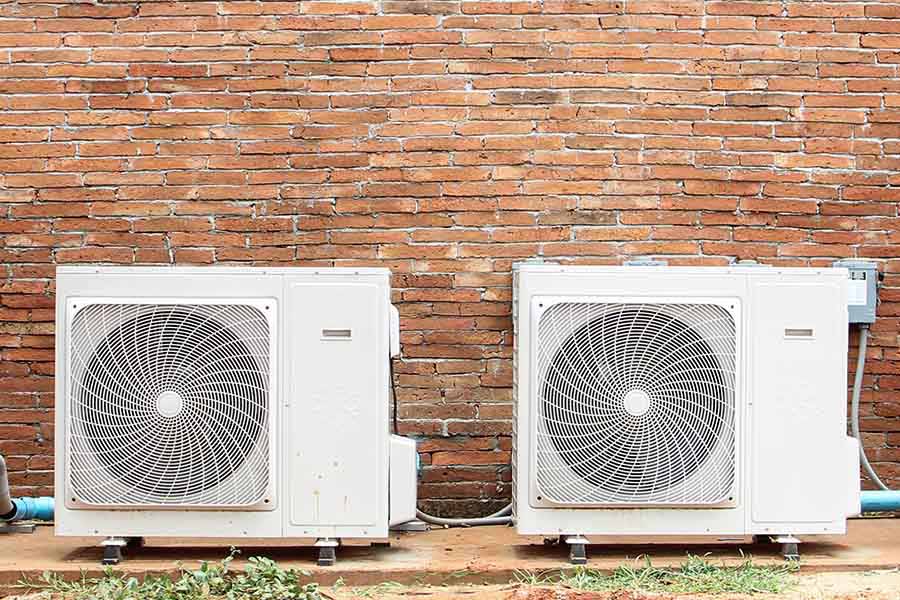
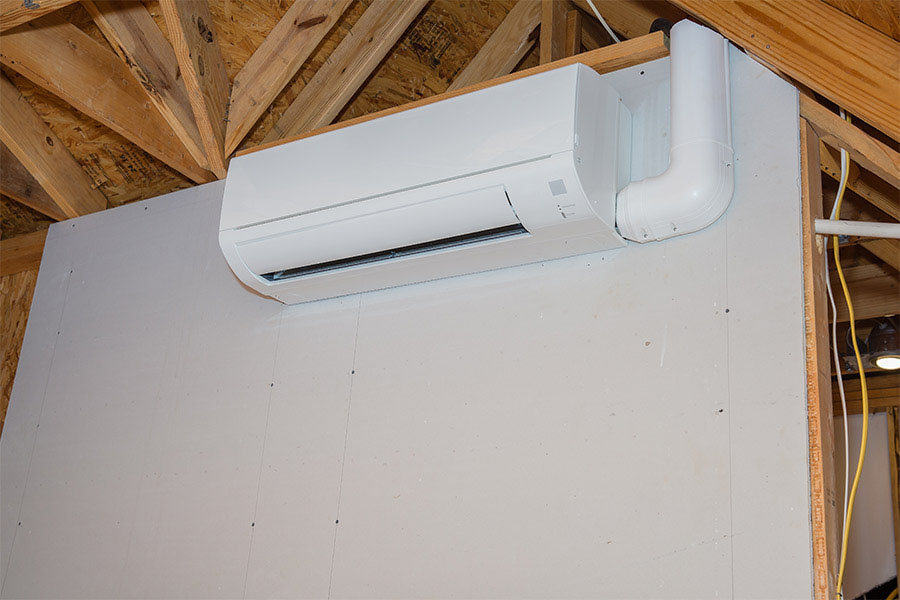
These systems offer flexibility, allowing you to control the temperature in individual rooms without requiring extensive ductwork. They consist of an outdoor compressor and one or more indoor air-handling units, providing a compact and unobtrusive solution for climate control.
Installation is often simpler than traditional systems, which can save you time and money. Plus, ductless mini splits tend to be more energy-efficient, reducing your monthly bills while keeping your home comfortable year-round.
With features like programmable settings, you can easily optimize your energy use. Additionally, they improve indoor air quality by filtering out dust and allergens, making your home healthier. Ductless mini split systems provide efficient, customizable comfort, making them a valuable asset for any homeowner.
This system’s versatility and efficiency make it an excellent choice for any homeowner looking to enhance their comfort and energy savings.
Common Issues With Ductless Mini Splits
While ductless mini splits offer numerous benefits, they can encounter common issues that may affect their performance. One frequent problem is irregular airflow, which can result from a clogged air filter or blocked vents. If you notice reduced air output, check these components first.
Another issue is unusual noises, such as buzzing or rattling, indicating loose parts or debris inside the unit. It’s crucial to address these sounds promptly to avoid further damage.
Additionally, you might experience refrigerant leaks, which can lead to decreased cooling efficiency. If you suspect a leak, it’s best to contact a professional.
Finally, improper installation can cause multiple issues, including inadequate heating or cooling. Make sure your system is installed correctly by a qualified technician. Also, consider scheduling regular maintenance to ensure optimal performance and extend the lifespan of your unit.
Troubleshooting Temperature Control Problems
Have you noticed your ductless mini split struggling to maintain the desired temperature? This issue can often be traced back to a few common culprits.
First, check your remote control settings; make sure it’s set to the correct mode and temperature. Sometimes, simple misunderstandings lead to frustration.
Next, inspect the filters. Clogged filters can restrict airflow, causing temperature inconsistencies. Clean or replace them regularly to guarantee peak performance.
Additionally, look for any obstructions around the indoor and outdoor units. Dust, debris, or furniture blocking airflow can hinder efficiency.
Finally, consider the refrigerant levels. Low refrigerant can impact your system’s ability to cool or heat properly. If you suspect this is the case, it’s best to call a professional. Regular maintenance of your HVAC system, including dehumidifier installation and repair, can help prevent such issues from arising in the first place.
Addressing Noisy Mini Split Units
Noise from your ductless mini split can be more than just a nuisance; it often signals underlying issues that need attention.
First, check for loose parts or screws. Vibration can cause components to rattle, generating unwanted sounds. Tightening these can often resolve the problem.
Next, listen for unusual sounds like buzzing or hissing. These noises might indicate a refrigerant leak or electrical issues that require professional help.
If you hear a constant humming, it could be the compressor working harder than it should, suggesting an issue with airflow or filter clogs. Regularly clean or replace filters to maintain airflow and reduce strain on the unit.
Finally, guarantee your outdoor unit is clear of debris, as this can also contribute to noise.
Additionally, routine AC maintenance plays a crucial role in preventing these issues from arising, ensuring your mini split operates smoothly over time.
If the noise persists after these checks, it’s time to contact a professional like Top Gun Heating & AC Repair for a thorough evaluation.
Maintaining Your Ductless Mini Split for Longevity
Proper maintenance is key to guaranteeing your ductless mini split lasts for years to come. Start by cleaning or replacing the air filters every month to keep airflow strong and prevent dust buildup.
Check the outdoor unit for debris, like leaves or dirt, and clear them away to guarantee proper operation. You should also inspect the drain line for clogs to prevent water damage.
Schedule an annual professional maintenance check-up to catch any potential issues early and keep your system running efficiently. Additionally, make sure to keep the area around the unit unobstructed, allowing for maximum airflow.
Finally, consider using a programmable thermostat for better temperature control and energy efficiency. By following these simple steps, you’ll not only extend the life of your ductless mini split but also enjoy consistent comfort in your home.
Conclusion
So, there you have it! With a little TLC, your ductless mini split can be as reliable as your favorite sitcom rerun. Just remember, if your unit starts sounding like a jazz band on a bad night or refuses to cool like an ice cream truck in July, don’t panic. Grab your remote, clean those filters, and channel your inner DIY guru. After all, who needs a professional when you can pretend to be one, right?