



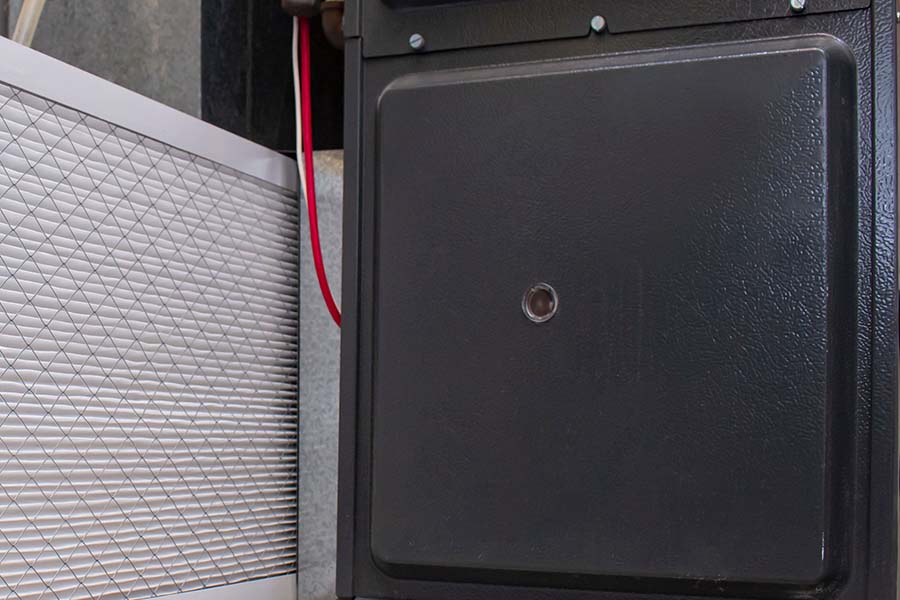
Troubleshooting an air handler can feel like untangling a knot; one wrong move could make things worse. In Fort Worth, TX, common issues can often stem from simple oversights. Whether it’s a power supply issue or a thermostat glitch, knowing where to start can save you time and money. Let’s explore some key steps to get your air handler back on track, ensuring your home stays comfortable year-round.
Identifying Common Air Handler Issues
When your air handler isn’t performing as it should, it can lead to uncomfortable indoor temperatures and increased energy bills.
Start by listening for unusual noises; rattling or grinding sounds often indicate mechanical issues.
Next, check the airflow. If you notice weak or inconsistent airflow, it might be due to a clogged air filter or ductwork problems.
You should also inspect the condensate drain for clogs, as standing water can signal potential leaks or mold growth.
Additionally, look for signs of moisture around the unit; this can indicate refrigerant leaks or other serious issues.
Don’t forget to monitor your thermostat settings—if it’s malfunctioning, it can disrupt the entire system’s performance. Remember, professional repair and installation services can help address these issues effectively.
Checking Power Supply and Connections
Before diving into more complex issues, it’s crucial to check the power supply and connections to your air handler.
Start by ensuring that the unit is plugged in and that the circuit breaker hasn’t tripped. If the breaker is fine, check the electrical panel for any blown fuses. Make sure the power switch for the air handler is in the “on” position—sometimes it gets accidentally turned off.
Next, inspect the wiring for any signs of fraying or damage. If you notice any issues, it’s best to call a professional to avoid safety hazards. Additionally, verify that the thermostat is correctly set and functioning, as a faulty thermostat can prevent your air handler from receiving power. Regular annual maintenance can help prevent many of these issues from arising in the first place.
Inspecting Air Filters and Ductwork
One of the most common issues affecting air handlers is clogged or dirty air filters and ductwork. You should start by checking your air filters; they need replacement or cleaning every one to three months, depending on usage. A dirty filter restricts airflow, causing your system to work harder and potentially overheat.
Next, inspect your ductwork for any signs of blockages or leaks. Look for dust buildup, which can indicate inadequate airflow and poor indoor air quality. Sealing any leaks won’t only improve efficiency but also save you money on energy bills. Regular filter replacement helps maintain energy efficiency and comfort in your home.
If you notice significant issues with the filters or ducts, don’t hesitate to reach out to a professional like Top Gun Heating & AC Repair. They can provide personalized solutions to guarantee your air handler runs smoothly and effectively, keeping your home comfortable year-round.
Evaluating Thermostat Settings
Since your thermostat controls the temperature of your home, it’s crucial to evaluate its settings regularly.
Start by checking if it’s set to the desired temperature. Sometimes, it might accidentally be set to “heat” instead of “cool,” or vice versa. If you find the settings correct, verify the batteries are fresh if your thermostat is battery-operated. A low battery can lead to erratic behavior.
Next, consider the mode settings. If your system has a fan-only option, switch to that to see if the air handler operates correctly.
Also, verify the schedule feature is set accurately, as programmed settings can impact performance.
Don’t forget to review the temperature calibration; an inaccurate thermostat can lead to discomfort. Regular AC maintenance can help ensure your thermostat and system function properly, leading to increased system efficiency and comfort in your home.
If you’ve done all of this and still experience issues, it might be time to consult with a professional, like Top Gun Heating & AC Repair, for further assistance.
Assessing Refrigerant Levels and Leaks
If your thermostat settings are in order but you’re still facing issues with your air handler, it’s time to check the refrigerant levels.
First, look for signs of low refrigerant, like warm air blowing from the vents or ice forming on the coils. Low levels often indicate a leak, which can cause serious problems if left unaddressed.
To assess refrigerant levels, you’ll need to use a pressure gauge. If the readings are low, you may have a leak that requires professional help.
Don’t attempt to recharge the refrigerant yourself; this can lead to further issues and may void warranties.
Contact a qualified technician, like those at Top Gun Heating & AC Repair, who can accurately diagnose and repair leaks.
They’ll guarantee your system is running efficiently while adhering to safety standards. Maintaining proper refrigerant levels is essential for peak performance and energy efficiency.
Conclusion
Troubleshooting air handler problems in Fort Worth, TX, doesn’t have to be intimidating. With just a few simple checks, you can either uncover the source of your issue or find comfort in knowing your system’s running smoothly. Whether it’s a tripped circuit breaker or a clogged filter, you hold the power to restore efficiency. So, don’t let warm air or strange noises get you down—take charge and guarantee your home stays comfortable all year round!