




When installing an air conditioning system, understanding the nuances can make all the difference. You need to consider various AC types, assess your space accurately, and calculate the right BTUs for peak efficiency. While the process may seem straightforward, common pitfalls can lead to costly mistakes. So, how do you navigate these challenges and guarantee your installation goes smoothly? The answers lie in a thorough approach that covers everything from choosing the right location to knowing when to call in professionals. Let’s explore what you need to know.
Understanding AC Types
Understanding the different types available is essential for making an informed decision when choosing an air conditioning system. Central air conditioning systems are among the most popular options for larger spaces. These systems distribute cool air through ducts, ensuring uniform temperature control. If you’re looking for a more localized solution, ductless mini-split systems provide flexibility, allowing you to cool specific rooms without requiring ductwork.
Window units are another alternative, ideal for smaller spaces or apartments. They’re easy to install and can be removed when not in use. Portable air conditioners offer similar benefits, providing mobility and ease of use in various locations.
For eco-conscious consumers, geothermal systems utilize the earth’s stable temperature to provide heating and cooling. While initial installation costs can be higher, the long-term energy savings can be significant.
Lastly, hybrid systems that combine multiple methods to optimize efficiency should be considered. Each type has its own advantages and is suited for different needs. By evaluating these options carefully, you can select the air conditioning system that best serves your space and aligns with your goals for comfort and efficiency.
Assessing Your Space
Evaluating your space is crucial for selecting the right air conditioning system. Start by measuring the square footage of the area you intend to cool. This measurement will guide you in determining the appropriate size and type of AC unit. Remember, an undersized unit won’t effectively cool your space, while an oversized one can lead to inefficiency and higher energy costs.
Next, consider the layout of your space. High ceilings, large windows, and open floor plans can impact cooling performance. Also, note the quality of the insulation. Well-insulated areas retain cool air more effectively, reducing the load on your AC unit.
Examine the number of rooms and their arrangement. If you’re cooling multiple areas, you may need a multi-zone system or ductless mini-splits for maximum efficiency. Also, take note of any heat-generating appliances or electronics that could affect your cooling needs.
Finally, consider your local climate. Humidity levels and average temperatures can influence the type of system you’ll require. By carefully evaluating your space, you’ll guarantee you choose an air conditioning solution that meets your comfort and energy efficiency needs.
Calculating BTUs Needed
Determining the appropriate BTUs (British Thermal Units) for your air conditioning system is essential for peak performance. BTUs measure the energy required to cool a space, and calculating the correct amount guarantees comfort and efficiency.
To start, measure the square footage of the area you want to cool. A general guideline is that you need about 20 BTUs per square foot. For example, if your room measures 500 square feet, you’d need roughly 10,000 BTUs.
However, other factors also impact your BTU needs. Consider the number of occupants; each additional person adds about 600 BTUs. Sun exposure can also play a role; rooms with large windows or significant sunlight may require an additional 10% to 20% more cooling capacity.
If your space has high ceilings or poor insulation, you should also factor that in.
These calculations will help you select an air conditioning unit that cools effectively without wasting energy. This thoughtful approach guarantees you provide a comfortable environment for yourself and those you serve. Remember, it’s all about finding the right balance for peak performance.
Choosing the Right Location
After calculating your BTU needs, the next step is choosing the right location for your air conditioning unit. The placement can considerably affect the unit’s efficiency and the comfort level in your space. Here’s what you should consider:
- Avoid Direct Sunlight: Position the unit in a shaded area to enhance its cooling efficiency. Direct sunlight can cause it to work harder, increasing energy consumption.
- Guarantee Proper Airflow: Make sure the unit has sufficient clearance around it. Obstructions can hinder airflow, reducing effectiveness and lifespan.
- Consider Proximity to Heat Sources: Keep the unit away from heat-generating appliances or areas like kitchens. This prevents it from overworking to maintain a comfortable temperature.
- Accessibility for Maintenance: Select a location that allows easy access for routine maintenance and repairs. This can help guarantee your unit’s longevity and efficiency.
Essential Tools for Installation
Before installing your air conditioning unit, gather the necessary tools to ensure a smooth and efficient process. Start with a drill and various drill bits, as you’ll need them to secure brackets and mount your unit. A level is also essential; it guarantees your unit is installed correctly, preventing operational issues.
Ensure you have a set of wrenches and screwdrivers, both Phillips and flat-head, for tightening and loosening various components. A multimeter is indispensable for electrical connections, allowing you to check voltage and continuity safely.
Remember safety gear—gloves and goggles protect you while handling heavy equipment and sharp objects. A tape measure will help you accurately position your unit and confirm proper clearance. Finally, a vacuum pump is necessary to remove moisture and contaminants from the refrigerant lines, ensuring peak performance.
Having these tools on hand streamlines the installation process and enhances safety and efficiency, ultimately leading to a successful setup of your air conditioning system.
Preparing for Installation
To guarantee a successful air conditioning installation, you’ll need to assess your chosen unit location carefully. Start by confirming you have the proper space, access, and ventilation. This preparation is crucial for your system’s peak performance and longevity.
Here are four key factors to evaluate:
- Space Requirements: Verify that the area can accommodate the unit, allowing for adequate airflow around all sides.
- Electrical Access: Confirm that there is a nearby electrical outlet or a dedicated circuit to power the unit safely and effectively.
- Drainage Options: Plan for condensate drainage to prevent water accumulation, which can lead to damage or health hazards.
- Sunlight Exposure: Identify whether the location is shaded or exposed to direct sunlight, which can impact the unit’s efficiency.
Step-by-Step Installation Process
With your location assessed and prepared, you’re ready to begin the installation process of your air conditioning unit. First, gather your tools: a drill, level, screwdriver, and necessary fittings. Start by mounting the indoor unit on the wall, verifying its level, and securely fastening it. Next, connect the refrigerant lines: make sure they’re adequately insulated to prevent energy loss.
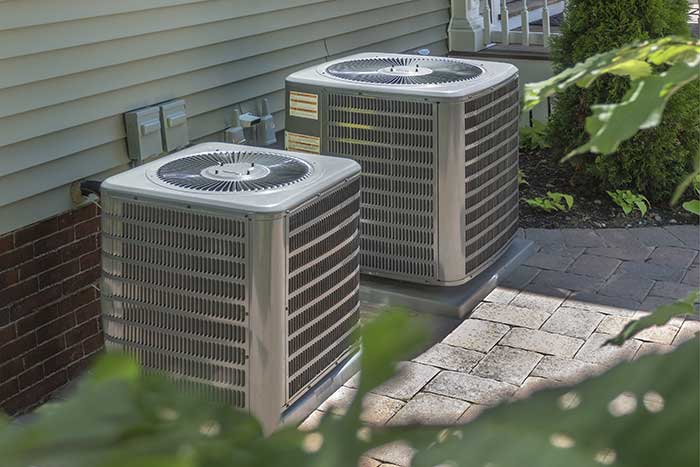
Then, install the outdoor unit on a sturdy base, allowing for proper airflow and drainage. Connect the refrigerant lines from the indoor and outdoor units, carefully avoiding kinks.
Next, follow local code regulations and run electrical wiring from your power source to both units. Use the appropriate gauge wire to handle the system’s amperage. After that, connect the drain line from the indoor unit to your drainage system, making sure it slopes downward for effective water removal.
Finally, check all connections for leaks and verify proper airflow. Once everything’s in place, power on the unit and test its functionality. When done correctly, this process will guarantee your air conditioning system’s ideal performance and longevity.
Common Installation Mistakes
While installing your air conditioning unit, it’s crucial to avoid common mistakes that can lead to inefficiency and costly repairs. By being aware of these pitfalls, you’ll guarantee a smoother installation and better performance for your system. Here are four common mistakes to avoid:
- Improper Sizing: Choosing the wrong size unit can result in inadequate cooling or excessive energy consumption. Always consult a professional for accurate load calculations.
- Neglecting Leveling: Failing to level your outdoor unit can hinder its operation and lead to unnecessary strain. Make sure it’s placed on a stable, flat surface.
- Ignoring Duct Sealing: Unsealed or poorly connected ducts can cause significant energy loss. Inspect all connections and seal any gaps to maximize efficiency.
- Skipping Electrical Checks: Not verifying your electrical system’s compatibility can lead to safety hazards or system malfunction. Always check voltage requirements and wiring conditions before installation.
Post-Installation Maintenance Tips
Once your air conditioning unit is installed, regular maintenance is crucial to guarantee peak performance and longevity. Start by cleaning or replacing the air filter every one to three months. A clean filter guarantees ideal airflow and prevents the system from overworking.
Next, inspect the outdoor unit for debris, such as leaves, dirt, or grass clippings. Keeping the area around the unit clear allows for proper ventilation and efficiency. You should also check the condensate drain for blockages; a clogged drain can damage water and increase humidity levels indoors.
Additionally, the insulation on refrigerant lines should be examined. Proper insulation minimizes energy loss and helps maintain your system’s efficiency. Also, keep an eye on the thermostat settings to guarantee accurate temperature readings and ideal comfort.
Lastly, consider scheduling an annual professional maintenance check. This can help identify potential issues early, guaranteeing your unit operates effectively. By following these maintenance tips, you can extend the life of your air conditioning system and provide a comfortable environment for everyone in your home.
When to Hire a Professional
Knowing when to hire a professional for your air conditioning system can save you time, money, and potential headaches. While DIY projects can be fulfilling, some AC tasks require specialized knowledge and tools. Here are four scenarios when you should definitely consider hiring a professional:
- Installation of a New System: If you’re replacing or installing a new unit, professionals guarantee proper sizing, placement, and compliance with local codes.
- Complex Repairs: When your unit shows signs of severe issues, like refrigerant leaks or electrical problems, it’s best to leave it to the experts.
- Poor Performance: If your AC isn’t cooling effectively despite regular maintenance, a professional can diagnose hidden issues that might not be apparent to you.
- Warranty Compliance: Hiring a certified technician for installation and repairs may be necessary to maintain your warranty’s validity.
In these cases, professionals bring expertise that enhances performance and guarantees safety and efficiency. Trusting your air conditioning needs to be done by an expert, which can lead to long-term satisfaction and peak system performance.
Conclusion
Mastering AC installation requires a clear understanding of the various types, proper BTU calculations, and meticulous planning. By following the outlined steps and avoiding common mistakes, you can achieve an efficient installation that enhances comfort in your space. Don’t underestimate the importance of maintenance for long-term performance. If the task feels overwhelming, consider hiring a professional to guarantee everything runs smoothly and complies with regulations, saving you time and money.
Frequently Asked Questions
How Long Does an AC Installation Typically Take?
AC installation usually takes four to eight hours, depending on the system’s complexity and your home’s layout. You’ll want to make certain everything’s done correctly to ensure peak performance and efficiency in the long run.
Can I Install an AC Unit Myself?
You can install an AC unit, but it requires technical know-how and tools. Make certain you understand local codes, safety protocols, and proper installation techniques to guarantee your unit’s peak performance and efficiency.
What Are the Costs Associated With AC Installation?
The costs associated with AC installation include equipment purchase, labor fees, permits, and additional materials like ductwork or electrical upgrades. You should budget for unexpected expenses to guarantee a smooth installation process.
Do I Need a Permit for AC Installation?
Yes, depending on your local regulations, you typically need a permit for AC installation. Check with your local building department to guarantee compliance and avoid fines or complications during installation.
What Warranties Are Available for AC Units?
When considering warranties for AC units, you’ll typically find options like manufacturer warranties covering parts, labor warranties for installation, and extended warranties offering additional protection. Always review the terms to guarantee they meet your needs.